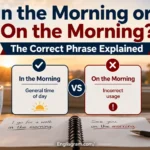
Please Advise or Please Advice can confuse readers, but please advise is correct when you need a response, guidance, or a clear decision. When writing an important email late at night at your desk, it helps to pause before the final sentence and check these 2 words. They have a similar sound and look almost identical, which can cause confusion because they seem to share the same idea. Yet their meanings, grammar, and grammatical functions differ. Advise is a verb, while advice is a noun.
The correct phrase is please advise when you want someone to respond, tell you a decision, offer guidance, or provide recommendations. Please advice is incorrect in standard American English. This difference matters in English, especially in professional emails, business emails, formal letters, business correspondence, and workplace communication.The right choice becomes easier once you understand the grammar rule instead of focusing only on spelling. You advise people, but you give advice.
You do not advice someone; you advise them. For example, please advise can ask about the next steps, anything else you need, or when you are available. This correct usage sounds natural, clear, and professional in American business writing, workplace messages, and customer service communication. It also applies in customer service chats, schools, and everyday situations. The wrong usage can affect how readers perceive your communication, emotional tone, and professional image.
Advise vs. Advice: the core grammar difference
This pair causes confusion because English loves words that look related but behave differently. The best way to handle them is to focus on part of speech.
Advise as a verb
Advise means to give information, guidance, a recommendation, or a suggestion.
You can think of it as an action word. Someone is doing something when they advise.
Common patterns include:
- advise someone
- advise someone to do something
- advise someone about something
- advise that something happened
- advise on something
Examples:
- The lawyer advised the client to read the contract carefully.
- I advise you to save the receipt.
- The doctor advised rest and hydration.
- Please advise us about the change in schedule.
The word often appears in professional or formal settings because it sounds polished and direct. That is why it shows up so often in business email.
Advice as a noun
Advice means guidance, a recommendation, or an opinion meant to help someone.
It is a thing, not an action.
Common patterns include:
- give advice
- offer advice
- ask for advice
- seek advice
- take advice
- follow advice
Examples:
- I need your advice.
- She gave me excellent advice.
- He asked for advice about the interview.
- They did not follow the doctor’s advice.
A useful memory trick is this:
- Advise = something you do
- Advice = something you give or receive
That distinction keeps the grammar clean.
Why “Please advise” is grammatically correct
The phrase please advise works because it uses advise as a verb. In the sentence, you are politely asking someone to perform an action.
It is a shortened request. The full idea is often something like:
- Please advise me.
- Please advise us.
- Please advise on the next step.
- Please advise what you recommend.
In everyday English, the object is often left out because the meaning is already clear from context. That is normal.
For example:
- Please confirm.
- Please respond.
- Please review.
- Please advise.
These are all standard request forms in business writing. They are short. They are efficient. They do not waste words.
That is one reason “please advise” became so popular in emails. It is brief, polite, and practical.
Still, it can sound a little formal. More on that later.
What “Please advise” means in real communication
The phrase usually means one of these:
- Tell me what to do next
- Let me know your decision
- Give me your guidance
- Confirm the correct course of action
- Share your recommendation
In other words, you are asking for direction.
In business email
This is where the phrase appears most often.
Examples:
- Please advise if the meeting has been moved.
- Please advise on the revised invoice.
- Please advise whether approval has been granted.
- Please advise when the file is ready.
These are all clear and professional.
In customer service
Companies often use it when they need a customer to choose an option or provide more information.
Examples:
- Please advise how you would like to proceed.
- Please advise if the item should be replaced or refunded.
- Please advise whether you still want the service activated.
In formal requests
Sometimes the phrase is used in legal, administrative, or project-related writing.
Examples:
- Please advise on the next required document.
- Please advise whether the deadline can be extended.
- Please advise if further review is needed.
The phrase works well when the writer wants to stay concise and respectful.
Why “Please advice” is incorrect
This is the easy part once you know the grammar.
Advice is a noun. It is not the verb you need in a request like “please ___.”
That means these examples are incorrect:
- Please advice me.
- Please advice on this issue.
- Please advice if you can help.
They should be:
- Please advise me.
- Please advise on this issue.
- Please advise if you can help.
A sentence needs the right part of speech in the right place. In “please advise,” the word after “please” needs to be an action. Advise gives you that action. Advice does not.
If you remember only one thing from this article, remember this:
Advice is the answer. Advise is the action.
Quick comparison table
| Phrase | Correct? | Why |
| Please advise. | Yes | “Advise” is a verb. |
| Please advice. | No | “Advice” is a noun. |
| Please advise me. | Yes | Clear request for action. |
| Please give me advice. | Yes | “Advice” works as a noun. |
| I need your advice. | Yes | Noun form used correctly. |
| I advise you to wait. | Yes | Verb form used correctly. |
| Please give me advise. | No | Wrong part of speech. |
A table like this makes the difference obvious. The grammar is not complicated. The tricky part is just the spelling similarity.
Advise vs. Advice in plain English
A lot of people learn grammar faster when they see the words in a simple story.
Imagine this:
You have a friend who is unsure about accepting a job offer.
Your friend asks, “What should I do?”
You give advice.
That advice might be:
- Take the job if the salary is better.
- Ask about the commute.
- Check the health benefits.
- Think about long-term growth.
Now imagine your friend says, “Can you advise me?”
That means, “Can you give me guidance?”
Same idea. Different grammar role.
Here is an easy mental shortcut:
- You advise someone
- You give someone advice
That one line saves a lot of mistakes.
How to use “please advise” correctly in emails
This phrase works best when the request is clear. Vague writing can feel cold or lazy. A slightly fuller sentence usually sounds better.
Good examples
- Please advise on the best time to schedule the call.
- Please advise if the draft is ready for review.
- Please advise whether we should move forward.
- Please advise if any documents are missing.
These examples tell the reader exactly what kind of response you need.
Stronger alternatives in some situations
Sometimes “please advise” is technically correct but not the warmest choice. In modern American English, many people prefer:
- Please let me know.
- Could you let me know?
- What do you recommend?
- Can you confirm?
- Please share your thoughts.
These options can sound a little more natural and less stiff.
That does not mean “please advise” is wrong. It is just more formal.
Is “please advise” too formal?
Sometimes, yes.
In a casual workplace, “please advise” can sound a bit old-school or overly official. It is not rude. It is just formal.
For example:
- Please advise.
- Please let me know what works best.
Both are correct. The second one often sounds friendlier.
The best choice depends on your audience.
Use “please advise” when:
- You want a formal tone
- You are writing to a client, manager, lawyer, or customer
- You want to sound concise and professional
Use a softer alternative when:
- You are writing to a teammate
- You want a warmer tone
- You want the message to feel more conversational
A small shift in wording can change the whole mood of the email. Grammar is one thing. Tone is another.
Read More:Sleeve vs. Sleave: Which Is Correct? Meaning, Spelling, Usage, and Examples
Better alternatives to “please advise”
Sometimes you do not need the exact phrase at all. You just need a clear request.
Formal alternatives
- Please advise on the next steps.
- I would appreciate your guidance.
- Please let us know how you would like to proceed.
- Please share your recommendation.
- Kindly confirm the best course of action.
Neutral alternatives
- Please let me know.
- Could you confirm?
- Could you clarify this?
- What would you suggest?
- Can you send the details?
More conversational alternatives
- What do you think?
- What works best for you?
- Can you help me choose?
- Let me know what you prefer.
- How would you like to handle this?
These options are not only correct. They often sound more human.
Pronunciation: advise vs. advice
The spelling difference is small, but the pronunciation is not identical.
- Advise ends with a z sound
- Advice ends with an s sound
That difference matters when you are speaking, though many learners miss it at first.
A quick way to hear it in your head:
- I will advise you.
- I need your advice.
Say them out loud. The ending sound shifts just enough to signal the word class.
This is one reason the words can be confusing in conversation. They are near twins on the page, but they behave differently in speech.
Common mistakes with advise and advice
Here are the mistakes people make most often.
Using advice as a verb
Incorrect:
- Please advice me on this matter.
Correct:
- Please advise me on this matter.
Using advise as a noun
Incorrect:
- I need your advise.
Correct:
- I need your advice.
Saying an advice
Incorrect:
- Can you give me an advice?
Correct:
- Can you give me some advice?
- Can you give me a piece of advice?
Mixing the words in email requests
Incorrect:
- Please advice if you are available.
Correct:
- Please advise if you are available.
These errors happen because the words are so similar. Still, the grammar rule stays the same every time.
The “an advice” question
This one comes up a lot.
In American English, advice is usually an uncountable noun. That means you generally do not say:
- an advice
Instead, you say:
- some advice
- good advice
- helpful advice
- a piece of advice
- a bit of advice
Examples:
- She gave me some advice.
- He offered a piece of advice.
- I need your advice on this.
That rule helps in both writing and speaking. It keeps the sentence natural.
Mini case study: a work email that went wrong
Here is a simple example based on a common office situation.
The situation
A project manager emails a client:
Please advice if the draft is approved.
The client notices the error. The message is still understandable, but the mistake makes the email look rushed.
Why it matters
In many workplaces, small grammar errors can affect how polished you seem. One typo is not the end of the world. Still, repeated mistakes can weaken trust, especially in formal communication.
The corrected version
Please advise if the draft is approved.
Or, even better:
Please let me know if the draft is approved.
That second version sounds more natural for many modern business settings. It is clear. It is polite. It avoids sounding too stiff.
The lesson
The grammar mistake is small. The impression it creates can be bigger than people expect.
A practical grammar test you can use every time
When you are unsure, ask one question:
Do I need a noun or a verb?
Use advise when you need a verb
- Please advise.
- I advise caution.
- They advised us to wait.
Use advice when you need a noun
- I need advice.
- That was excellent advice.
- We followed her advice.
Another test:
Try replacing the word with “suggest.”
- If “suggest” works, you probably need advise.
- If “suggestion” works, you probably need advice.
Examples:
- Please suggest a solution. → Please advise on a solution.
- I need a suggestion. → I need advice.
That trick is not perfect, but it helps.
Examples in American English
Here are more natural examples so you can see the difference in context.
Correct examples with advise
- Please advise if the package has shipped.
- The attorney advised the client to wait.
- I would advise caution before signing anything.
- Please advise us on the best option.
- The manager advised the team to stay flexible.
Correct examples with advice
- I need your advice on this decision.
- She gave me solid advice.
- His advice helped me avoid a mistake.
- I followed the advice of my doctor.
- They asked for advice before relocating.
Incorrect examples
- Please advice if you can attend.
- I need your advise.
- The teacher gave me an advise.
- Can you advice me?
Once you see enough examples, the pattern starts to feel automatic.
FAQs
Is “Please Advise” correct?
Yes. Please advise is the correct phrase in standard English. Use it when asking someone to provide information, guidance, or a response.
Is “Please Advice” grammatically correct?
No. Please advice is incorrect because advice is a noun. The verb form you need is advise.
What is the difference between advise and advice?
Advise is a verb that means to give guidance or information. Advice is a noun that means the guidance or recommendation itself.
Can I use “Please Advise” in an email?
Yes. Please advise is common in professional emails, business communication, customer service messages, and workplace writing. For example: “Please advise on the next steps.”
What is an easy way to remember advise vs. advice?
Remember this simple rule: You advise people, but you give advice. If you need an action word, choose advise. If you mean guidance or a recommendation, choose advice.
Conclusion
Please Advise or Please Advice is easy to understand once you remember the basic grammar rule. Please advise is the correct phrase because advise is a verb. Advice is a noun, so you should say give advice, not “give advise.” This small difference can make your professional emails, workplace messages, and other forms of English communication more clear, natural, and professional. When in doubt, remember this simple rule of thumb: you advise people, but you give advice.